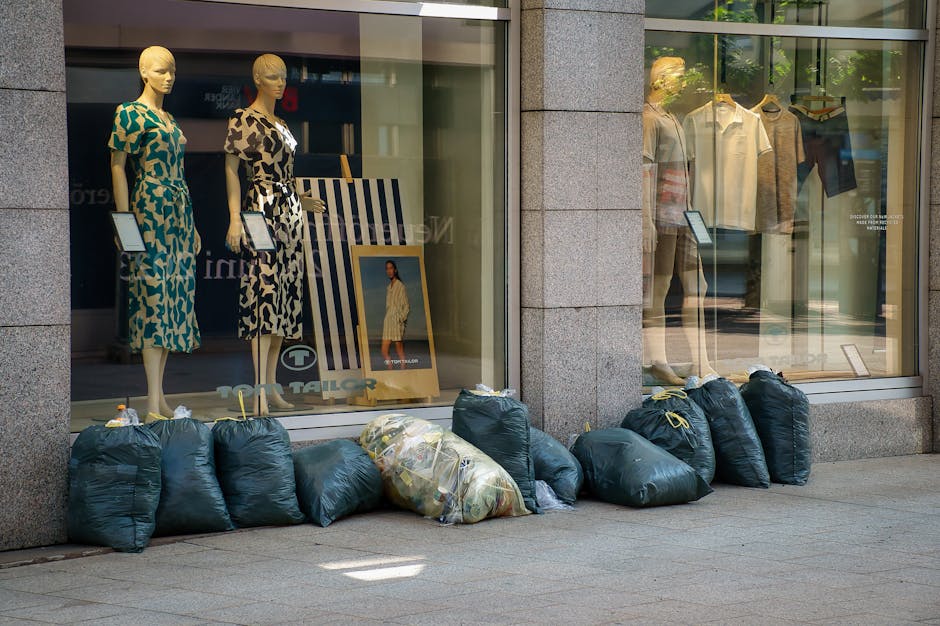
Leicester Square Event Rubbish Collection for Pop Ups: A Practical Guide for Fast, Clean Turnarounds
If you are planning a pop-up in central London, waste can go from "small detail" to full-blown headache very quickly. Leicester Square event rubbish collection for pop ups is not just about taking bags away at the end of the night; it is about keeping a tight site clean, making sure guests can move safely, and avoiding the awkward moment when cardboard, packaging, or food waste starts piling up where your brand display should be. In a place as busy and visible as Leicester Square, that matters more than people think.
Truth be told, pop-up events live or die on presentation. One overflowing bin can spoil the whole feel of a launch, tasting, activation, or promotional stand. This guide breaks down how event rubbish collection works in practice, what to expect, what to plan for, and how to choose the smartest waste setup for a short-term central London event.
Whether you are running a brand activation, a seasonal stall, a product launch, or a one-day experience, the goal is the same: keep things moving, keep things tidy, and keep the square looking like a proper event space rather than a leftover mess at the end of the day.
One quick note before we get into it: the best waste plan is usually the one that feels boring on the day. That is a compliment. No drama, no panic, no last-minute bag shuffle in the rain.
Contents
- Why Leicester Square event rubbish collection for pop ups Matters
- How Leicester Square event rubbish collection for pop ups Works
- Key Benefits and Practical Advantages
- Who This Is For and When It Makes Sense
- Step-by-Step Guidance
- Expert Tips for Better Results
- Common Mistakes to Avoid
- Tools, Resources and Recommendations
- Law, Compliance, Standards, or Best Practice
- Options, Methods, or Comparison Table
- Case Study or Real-World Example
- Practical Checklist
- Conclusion
- Frequently Asked Questions
Why Leicester Square event rubbish collection for pop ups Matters
Leicester Square is not a quiet, low-pressure part of London. It is busy, visible, and usually packed with footfall, traffic movement, nearby hospitality, and visitors who notice everything. That means rubbish collection for a pop up is not a background task. It directly affects the customer experience, staff efficiency, and how professional your activation feels.
Pop ups also create a very specific kind of waste. It is often lightweight but bulky: packaging, display materials, cups, napkins, brochures, plastic wrap, break-down boxes, promotional bags, and sometimes food or drink waste if the event includes sampling. These items do not sit neatly in one corner for long. They spread. A few boxes near the back of the stall become a trip hazard. A pile of packaging starts looking untidy. By mid-afternoon, it all feels a bit cramped. And by evening? Well, it can get messy fast.
That is why Leicester Square event rubbish collection for pop ups needs to be planned from the start, not improvised after the first bags are full. A good plan helps you:
- protect your brand image in a high-visibility location
- reduce disruption for visitors and neighbouring businesses
- keep staff focused on the event, not waste handling
- manage removal efficiently within tight time windows
- avoid storage problems where space is limited
There is also the practical reality of central London access. Collection timing, loading, and vehicle positioning can all be a bit tighter than people expect. In Leicester Square, that can make a simple bin run take longer than it should. So the more precise your rubbish collection plan, the easier the whole event tends to run.
Expert summary: For pop ups in Leicester Square, the best rubbish collection plan is the one that matches the event format, the amount of packaging you will generate, and the time available to clear waste without disrupting trading or guest flow.
How Leicester Square event rubbish collection for pop ups Works
In practice, Leicester Square event rubbish collection for pop ups usually follows a simple pattern: waste is separated on site, stored safely during the event, and removed either during the event, immediately after pack-down, or in a timed collection slot. The exact setup depends on the size of the pop up, the type of waste, and how much space you have available.
Most event waste plans start with a quick assessment. What will you generate? Cardboard? Plastic wrapping? Food waste? General refuse? Potentially heavier items like display units or damaged props? The answer matters because different waste streams are easier to remove and recycle in different ways. A food sampling event, for example, may need a very different waste plan from a fashion pop up or a product launch.
On a busy site, collection often works best when waste is contained in clearly labelled bags or containers and moved to a designated holding point out of the customer route. If the event is small, a man and van style collection may be enough. If you have a bigger activation with ongoing packaging waste, you may need scheduled clearances during the day or a vehicle service that can handle bulkier loads. For some events, wait-and-load skip hire can be a cleaner fit than leaving a container on site, especially where space is tight and the footprint needs to stay neat.
Collection can also be shaped around how quickly the site needs to be returned to normal. Leicester Square events are often time-sensitive. You may have a brief build window, a few hours of trading, then a fast pack-down. That leaves little room for guessing. The collection provider needs to know access constraints, vehicle timing, waste type, and who will be on hand to coordinate the handover. Simple? Yes. Effortless? Not always. London loves a complication, doesn't it?
For some organisers, the right setup includes rubbish removal rather than a static container. That can be useful when you want waste taken away in one controlled visit without having to manage a full skip on a public-facing site. In other cases, a small skip or enclosed container may be more practical, especially if you expect repeated waste generation through the day. If the event produces mixed materials and you care about sorting, waste recycling services can help turn a throwaway problem into something more organised and sustainable.
To be fair, the ideal model depends on the event itself. A pop up serving drinks, for instance, may need daily or even same-day attention. A retail activation with mostly packaging may need less frequent but more structured collection. The key is to think about waste as part of operations, not as an end-of-day afterthought.
Key Benefits and Practical Advantages
The main benefits of proper Leicester Square event rubbish collection for pop ups are immediate and visible. You notice them almost straight away, especially in a location where presentation matters and space is at a premium.
- A cleaner, more professional event. Guests see a tidy setup, not a cluttered storage zone.
- Safer movement around the site. Less loose rubbish means fewer trip hazards and fewer awkward bottlenecks.
- Better staff efficiency. People spend less time trying to manage waste and more time serving customers.
- Less last-minute stress. A planned collection is calmer than a panic clear-out with bags everywhere.
- Improved recycling potential. Sorted waste is easier to process responsibly.
- Faster pack-down. The event can be handed back sooner and with less mess.
There is also a reputational benefit that people sometimes overlook. Leicester Square draws attention. If your pop up looks chaotic, that impression can stick. If it looks crisp, clean, and well-run, people assume the same about your brand. Fair or not, that is how public-facing events work.
Another advantage is flexibility. Different rubbish collection methods let you choose what suits the site rather than forcing the site to fit the waste solution. For example, if you only need a short collection window, same-day skip hire may be useful for urgent clearances, while a more contained option like enclosed and lockable skip hire can help with security and visual tidiness during longer setups.
And yes, there is a cost angle too. A better-planned service can reduce wasted labour, avoid over-ordering containers, and stop you paying for unnecessary disruption. That is not glamorous, but it is real money.
Who This Is For and When It Makes Sense
This type of service is especially useful if you are running a short-term event in or around Leicester Square and you expect regular rubbish buildup. It is not only for big brands, either. Smaller teams often need it just as much, sometimes more, because they do not have the extra hands to manage waste in-house.
It makes sense for:
- retail pop ups and temporary brand activations
- food and drink sampling events
- seasonal stalls and promotional stands
- launch events and ticketed experiences
- marketing teams with lots of packaging and display material
- event agencies managing limited setup space
- venues or organisers needing a quick post-event clear-down
You will also find it helpful if the event produces awkward waste rather than just simple bagged rubbish. Think flattened cardboard, broken display units, protective wrap, foam packaging, or mixed materials that need sorting before collection. If the event involves furniture, merchandising stock, or temporary fixtures, a broader clearance approach may be better. Services such as office clearance or site clearance can be relevant where the pop up leaves behind more than just general litter.
There are also times when waste collection makes sense even for modest events. If you are only trading for a few hours but need the area turned around before the next booking, speed matters more than volume. In that case, the right service is the one that can collect cleanly, on time, and without fuss. Nothing fancy. Just reliable.
Step-by-Step Guidance
Here is a practical way to plan Leicester Square event rubbish collection for pop ups without overcomplicating it.
- Estimate the waste you will create. Break it down by type: cardboard, plastics, general waste, food waste, and any bulky items.
- Map the space. Work out where waste will be stored temporarily without blocking access, displays, or customer routes.
- Choose the right collection method. Decide whether you need rubbish removal, skip hire, wait-and-load, or a mixed approach.
- Confirm timings early. Central London events can be tight, so collection windows should match your build-up, live trading, and pack-down plan.
- Set up waste separation points. Use clearly marked bags or containers so staff and contractors know where everything goes.
- Assign one responsible person. Even a small pop up runs better when one person knows the waste plan and can answer quick questions.
- Keep the collection path clear. Waste should be easy to move without weaving through guests or equipment.
- Plan the final sweep. Make sure the area is checked before handover so nothing is left behind.
A useful habit is to build in a waste check at two points: once mid-event and once at the end. The mid-event check catches bottlenecks early. The final check stops that familiar "oh no, there's still a stack of boxes behind the banner" moment. We have all seen that one.
If you expect a lot of reusable or recyclable material, set up the event so sorting is easy from the start. It is much simpler to separate things at source than to sort through a mixed heap later. That is one of those unglamorous truths that saves a lot of time.
Expert Tips for Better Results
A clean pop up is rarely an accident. Usually, it comes from small decisions made before the first customer walks in.
1. Reduce packaging at the source. If your suppliers can deliver goods in fewer layers of wrap or in stackable packaging, do it. Less waste on site means less to manage later. Obvious, maybe. Still worth saying.
2. Keep waste out of sight but not out of mind. Hidden corners work well for temporary waste holding, but only if staff know where they are and the route stays clear.
3. Use the right container size. Oversized containers can waste space. Too small, and you will be chasing overflow. The sweet spot is usually the option that matches expected waste without crowding the event footprint.
4. Think about smell and spill risk. If food or drink waste is involved, bagging and prompt removal matter. Leicester Square on a warm afternoon can turn a small oversight into a noticeable problem by evening.
5. Brief staff properly. A two-minute talk at setup can save two hours of confusion later. Where should waste go? Who empties it? What happens when it fills up? Simple questions, but they make the difference.
6. Ask about access before collection day. Central London loading can be awkward. Make sure the waste provider knows exactly what the access looks like and what time the site can be reached.
7. Have a backup plan for spikes. Pop ups often create a burst of waste after deliveries, product unpacking, or heavy footfall. A little spare capacity is a good thing.
If you need a collection method that suits unpredictable waste volumes, man and van services can be a sensible option for smaller, flexible jobs, while grab hire services may be better where loose, bulky material needs fast removal. The right answer is not always the biggest vehicle. It is the one that fits the event.
Common Mistakes to Avoid
Most problems with pop up rubbish collection are avoidable. The frustrating part is that they usually come from underestimating the amount of waste or leaving arrangements too late.
- Leaving planning until setup day. Waste is then treated as a panic task instead of part of the event design.
- Mixing everything together. Recyclable material, food waste, and general rubbish all get lumped in one pile, which slows down removal.
- Forgetting about storage space. A pop up can look spacious on paper and cramped in real life.
- Ignoring collection timing. A missed slot can cause a knock-on effect for pack-down and site handback.
- Choosing the wrong collection method. A full skip might be unnecessary, while ad hoc bin runs may be too slow.
- Not communicating with the team. If staff do not know where waste goes, it will end up wherever is easiest. Usually not ideal.
A less obvious mistake is assuming all rubbish is the same. In reality, different materials need different handling. Cardboard is light but bulky. Food waste is small but can become unpleasant quickly. Display waste may be awkward and time-consuming. One size does not fit all, and trying to force it can create a bottleneck.
Another common issue is underestimating how visible the waste becomes in a place like Leicester Square. On a side street, a few bags might barely register. Here, they do. That is the difference. Small detail, big effect.
Tools, Resources and Recommendations
You do not need a complex system to manage event waste well, but a few basic tools can make a huge difference.
- Colour-coded bags or labels for sorting waste streams clearly
- Compact bins or lined containers for customer-facing and back-of-house areas
- Heavy-duty gloves and simple spill supplies for staff handling waste safely
- Clear site map showing storage and collection points
- Basic checklist for opening, mid-event, and closing waste checks
- Contact details for the collection lead so everyone knows who to call if waste starts building up unexpectedly
For smaller pop ups, it can help to use a lightweight setup that is easy to move. For larger or messier events, more structured waste handling may be needed. If you are dealing with mixed bulky waste, options like rubbish removal or skip hire can be useful depending on the space available and how long the waste needs to stay on site.
If you are comparing support levels, it is also worth looking at service fit beyond the container itself. For example, a provider familiar with central London movements, timed access, and quick turnaround can save far more stress than a cheaper but clumsier option. That is one of those quiet lessons people usually only learn once.
Law, Compliance, Standards, or Best Practice
Waste handling at events should always be approached carefully and in line with current UK requirements and site rules. While the exact obligations depend on the event, the venue, the waste type, and who is generating it, the general best practice is straightforward: keep waste secure, separate what can be separated, avoid unsafe storage, and use a properly licensed or appropriate waste collection route.
For Leicester Square pop ups, that usually means checking a few practical points early:
- who is responsible for the waste at each stage of the event
- where waste can be stored without blocking walkways or emergency access
- whether any waste type needs special handling
- what the site or organiser expects for clean-down and handback
- whether collection timing has to align with local access restrictions or event conditions
If your event produces anything beyond standard general waste, you should be extra careful. Mixed materials, sharp items, liquids, food waste, or anything with contamination risk may need additional controls. And if there are confidential materials, electronics, or potentially hazardous items, do not guess. Get specific guidance and make sure the waste stream is handled properly. That is not the place for improvisation.
It is also sensible to work with a provider that keeps good operational standards around safety, scheduling, and responsible disposal. If you want to understand how a company approaches these areas, pages such as health and safety policy, insurance and safety, and recycling and sustainability can give you a clearer sense of the wider approach behind the service.
Best practice is not about over-formality. It is about avoiding preventable mess, keeping people safe, and making sure the event closes down cleanly. In central London, that kind of discipline pays off quickly.
Options, Methods, or Comparison Table
There is no single "best" waste solution for every pop up. The right method depends on space, timing, waste volume, and how visible the site is. Here is a simple comparison to help you think it through.
| Method | Best for | Strengths | Limitations |
|---|---|---|---|
| Rubbish removal | Small to medium pop ups, fast clearances | Flexible, quick, good for bagged waste and mixed items | May not suit larger bulky loads or prolonged events |
| Wait-and-load | Central sites with limited space | No long-term container on site, neat and efficient | Needs tight timing and good coordination |
| Skip hire | Events with steady waste buildup or bulky material | Handles more volume, useful for ongoing waste generation | Needs space and may require more planning |
| Grab hire | Bulky loose waste or heavier clearances | Fast loading, good for larger clear-outs | Not always ideal for the smallest pop ups |
| Man and van | Smaller collections or irregular waste peaks | Flexible, simple, useful for quick jobs | Less suited to major waste volume |
If your event is compact and public-facing, a less intrusive method usually works best. If you expect repeat packaging waste throughout the day, a more structured setup may be worth it. And if you are dealing with leftover event infrastructure, you may need something broader, such as construction waste clearance or builders waste removal, especially if the build is more substantial than a standard retail stand.
Let's face it, the best method is the one that keeps the event looking effortless while quietly doing a lot of hard work behind the scenes.
Case Study or Real-World Example
Picture a two-day brand pop up in Leicester Square with a small team, a display wall, a sampling counter, and a steady flow of visitors. The team starts the day with a few boxes of stock, a pile of protective wrap, and a growing stack of cardboard from unpacking. By lunchtime, there is already a noticeable amount of waste, but nothing outrageous. The problem is space. There is not much of it.
Instead of waiting until the end of the event, the organisers use a simple waste plan. Cardboard is flattened as it appears. General waste is bagged in smaller loads. Staff know exactly where to leave rubbish between checks. A timed collection is arranged so waste is removed before it spreads into the customer area. Mid-event, the site remains tidy. By close, pack-down is quicker because the waste has not taken over the back area.
The practical lesson is straightforward: when waste is handled in stages, the event feels calmer. People can still move, service stays smooth, and the final handback is much easier. You do not need a huge system. You need a sensible one.
In another scenario, a food-and-drink pop up with packaging, cups, napkins, and leftovers from sampling benefits from more frequent waste checks and stronger separation. If the team also has bulky display materials to remove, a combination approach may work better than a single collection type. Sometimes the best solution is a simple mix of methods. Nothing glamorous. Just effective.
Practical Checklist
Use this checklist before your Leicester Square pop up goes live. It saves headaches. Honestly, more than once.
- Confirm the event date, access times, and pack-down window
- Estimate waste volume and identify waste types
- Choose the right collection method for the space and footprint
- Assign a team member to oversee waste handling
- Set up labelled waste points for staff
- Keep walkways, exits, and customer routes clear
- Check whether bulky, mixed, or special waste needs separate handling
- Arrange collection timing to suit the live event and end-of-day clearance
- Make sure bags and containers are not overfilled
- Do a final sweep before handover
- Review what worked and what did not for the next pop up
Quick takeaway: If you can answer where waste goes, who handles it, and when it leaves site, you are already ahead of most last-minute event setups.
Conclusion
Leicester Square event rubbish collection for pop ups is really about control. Control over presentation, safety, timing, and how smoothly your event closes down. In a busy central London location, waste is never just waste. It affects how the whole event feels.
Get the plan right, and everything else becomes easier. Guests see a tidy space. Staff stay focused. The site clears faster. And the event ends with that rare and satisfying feeling that everything went exactly how it should have. Not perfect, maybe. But properly under control. Which, on a hectic London day, is more than enough.
Get a free quote today and see how much you can save.
When you are ready, choose the waste setup that fits the event rather than the other way round. A calm, clean finish is often the best part of the whole thing.
Frequently Asked Questions
What is Leicester Square event rubbish collection for pop ups?
It is a waste removal service planned specifically for temporary pop up events in or around Leicester Square. The aim is to keep the event clean, safe, and easy to pack down.
How early should I arrange rubbish collection for a pop up?
As early as you can. Even a small event benefits from advance planning because access, timing, and waste volume can all affect the collection method.
What types of waste are common at pop ups?
Usually cardboard, packaging, plastic wrap, general waste, cups, food waste, and sometimes bulky display materials or damaged props.
Is wait-and-load a good option for Leicester Square events?
Yes, often. It can be especially useful where site space is tight and you do not want a container left outside for long.
Do I need skip hire for a small pop up?
Not always. Smaller pop ups often do better with rubbish removal or a flexible collection method, while larger or longer events may suit skip hire more.
Can waste be removed during the event, not just after it ends?
Yes. For busy activations, mid-event collections can help stop waste from building up and affecting the customer experience.
What is the most common mistake with event rubbish collection?
Leaving it too late. People often focus on build, branding, and staff schedules, then realise too late that waste handling needs its own plan.
How do I keep a pop up area tidy during a busy trading period?
Use clear waste points, flatten cardboard quickly, empty bags before they are full, and assign one person to keep an eye on buildup.
Is recycling possible for event waste?
Often yes, depending on the waste type and how well it is separated. Cardboard and some packaging are common examples, but contamination can reduce recyclability.
What if my event creates bulky waste or leftover display materials?
Then you may need a broader clearance option rather than just general rubbish removal. The best service depends on how much bulk and mixed material is involved.
Do I need to think about compliance for event waste?
Yes. You should manage waste safely, keep it secure, and use an appropriate collection route in line with current UK best practice and site requirements.
What should I ask a waste provider before booking?
Ask about access, timing, waste type, collection method, and whether they have experience with central London event work. Those details matter more than people think.
Can one provider handle different types of event waste?
Sometimes, yes. It depends on the waste stream and the size of the job. A provider that offers flexible services can often cover more than one need across a pop up event.
What is the best way to avoid stress on event day?
Keep the waste plan simple, assign responsibility, and make collection timing part of the event schedule from the start. Calm planning beats frantic clean-up every time.